
It’s September! Which means schools are back in session and heating season is just around the corner. The coldest months of the year are slowly approaching, which means that you should start preparing to heat your home! But this doesn’t just mean stocking up on heating oil. There are actually a lot of other things you can do to prepare yourself. I’ll be going over those here!

Changing Your Air Filters
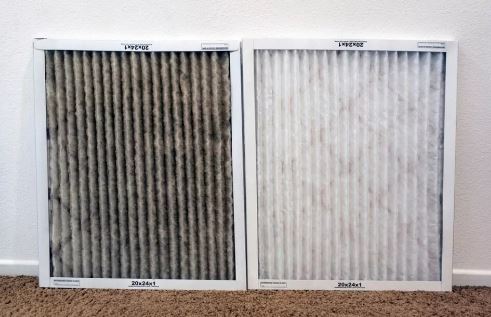
If your primary source of heat is with forced air, then this is the best time for you to change your air filters. You should typically do this every couple of months because they can get dirty fast! So it’s good to get used to changing these pretty often. Especially in the summer months where they can get pretty dirty! During this time, they can collect allergens, dander, debris and even pet hair! Due to this, changing your filters often is a must, especially if there are people in your family that have allergies!
But how do you change air filters? Using the below steps, you’ll find it easy to change with my help below:
- Start off by turning turning off your furnace. This is important because if you don’t do this, then the furnace might turn on when you’re replacing the filters.
- Remove the side door of your furnace so that you can gain access to the air filters. When you do this, take a picture of how they were installed that way you can put them back in the way that they were when you reinstall them.
- Read the size of the filters. This is usually printed on the side of them. Usually they’ll have their length, width and thickness listed. Most of the time, these filters are 25x20x1. After you take them out, you’ll want to put new ones in. But if you don’t have any replacements on you, you can usually pick them up at a local hardware store.
- After getting the replacements, it’s time to replace the filters! This is simple and you can do this by following the arrows on the replacements.
- Close up the furnace doors and turn it back on! You’re all set!
Stocking Up on Firewood
If you have a fireplace or wood-burning stove, you’ll know that it’s important to stock up on firewood. Usually in my family, we start getting firewood around early summer. This is important because this gives the wood time to dry out which makes it easy to burn. But, feel free to start stocking up whenever you’d like to!
You can even buy pre-dried firewood during the heating season. It might be a little pricier due to high demand or limited stock. But Home Depot, Lowes, Tractor Supply and even some gas stations will tend to have them in stock! However, if you’ve been doing this for a while, then you might have a log splitter! This gives you the ability to split wood! You don’t need to spend the money on it, just the time to chop and split the wood!
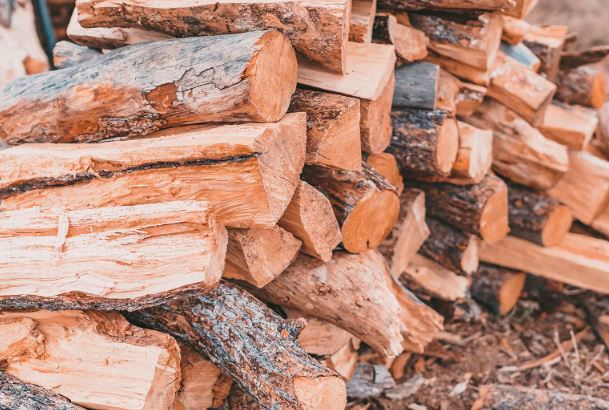
Splitting your own wood will save you so much money, especially if you have the time. But it’s also good to know that some types of wood is better than others. Oak is by far the best when it comes to chopping and burning. It’s not messy and it can take a while to burn. Unlike pine that’s very sappy and can take a while longer to dry. Birch is great as a fire starter because it burns quickly, but long term it doesn’t last very long.
Getting your Heating Oil Tank Inspected
As heating oil tanks get older, they tend to have general wear and tear over time. So it’s important to get them regularly inspected! Before heating season starts, you should get an inspection on your heating oil tank. This process doesn’t normally take very long, but it’s very important. If your tank is old, then it’s a good idea to get it replaced! This can take a couple of days but it’s worth it! Some places such as Home Depot and Lowe’s will normally have heating oil tanks in stock.
I’ll be briefly going over how to inspect your tank. However, if you want a more in-depth explanation, I recommend looking at my article about Tank Inspections.
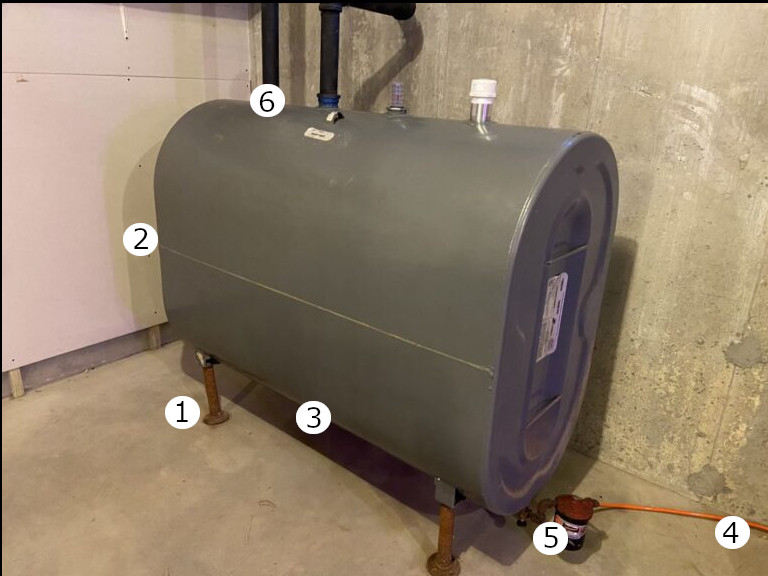
- Inspect the base of the tank, making sure that all the legs are sturdy and have no visible leaks.
- Ensure the seams of the tank are rust-free.
- Inspect the sides and bottom of the tank for leaks.
- Check the oil line for any leaks.
- Ensuring the oil-filter has no leaks.
- Inspect the top of the tank and it’s fittings.
Getting a Tune-Up
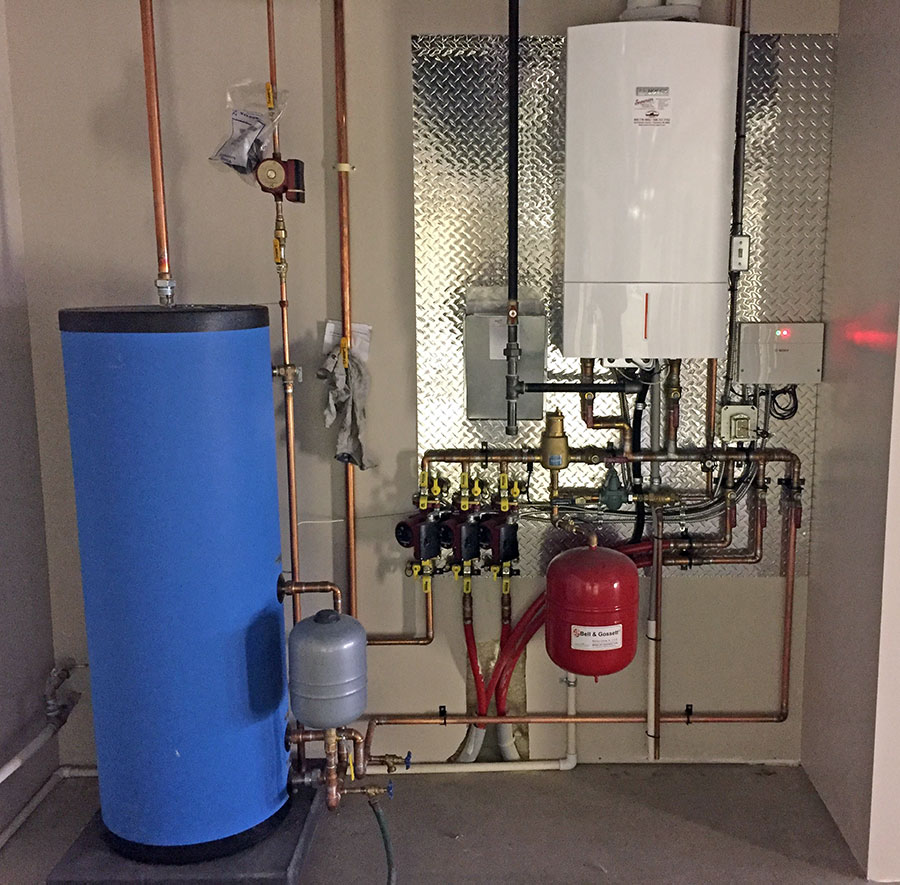
Making sure that your system is in tip-top shape is important for it’s functionality. But to make sure that it’s working properly is important that your system doesn’t go down when you need it! If your system needs a tune-up, then it’s best to contact your local HVAC company. They’ll do a routine maintenance for you and help you make sure that your system is up to par with what it should be! But, these tune-ups will usually cost around $200-$400 depending on the type of system that you have.
But, when you contact your HVAC company, you should ask if they offer a regularly scheduled tune-up contract. These service contracts can help you stay on top of your system and can help you ensure that it’s functioning as it’s intended to. Some companies will even give you a discount on this contract, if you decide to sign up with them! Even if they’re repair and/or service only, you can still get some great heating oil prices using websites such as FuelSnap.
Stocking Up on Heating Oil
If you’re running low, you’ll want to make sure you’re topped off before you enter the heating season. Having a supply of heating oil for when the season starts is very important. This will prevent you from running out and waking up to a cold house in the cold months of the year. If your tank is running low, or your at a half tank, this is the perfect time to get your tank topped off so that you can enter the heating season with a full tank.
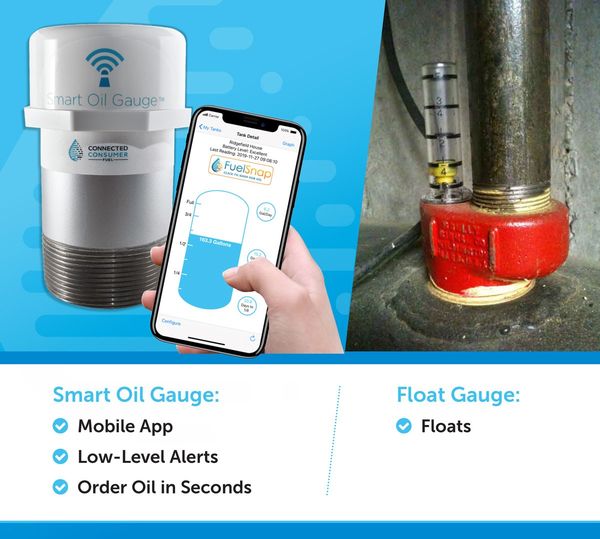
Additionally, if you don’t have a reliable tank monitor or your current gauge is broken, then I would consider getting a Smart Oil Gauge! The Smart Oil Gauge will keep track of your tank’s level and monitor your usage data! You’ll have access to all of this information on your phone at the touch of a button! You can even order oil through the app on your phone with our FuelSnap integration! But, it’s important to know that the gauge functions off of a WIFI connection and not Bluetooth. So you will need a WIFI connection at the location of the Smart Oil Gauge.
Concluding Thoughts
By following the guides and methods I’ve mentioned above, you’ll be able to be prepared for heating season! Stocking up on wood and oil can help you in the long run! Plus, if you access to multiple of the above mentioned methods, then you’ll be all set! You’ll be able to implement everything above if possible! Temperatures will start to steadily decrease as well. So keep an eye on the temperatures so that you can make sure that you’re prepared for what’s to come!
Happy Heating,
Hunter