
Once your furnace hits 30 years old, it’s the perfect time to start looking for a new one! Your annual maintenance is still plenty useful for your system. However, it’s still strongly recommended to replace your system after the 30-year mark. This is around the time the thought of replacing your furnace should be on your radar. If you’re reading this in preparation for that, then don’t worry, I’ll cover what you need to know! The summer is the perfect time to replace it!
What Exactly is a Furnace?
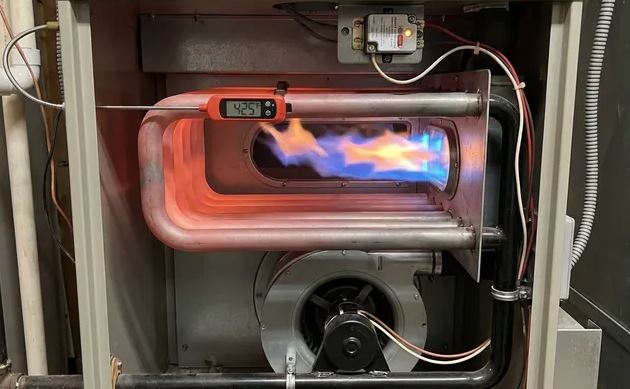
The furnace in your home has a simple job. That’s converting your oil into hot air that’s then spread around the house. Typically, your furnace is connected to a tank that stores either heating oil or propane. This is then heated up and pushed through the ducts of your home. Typically, your furnace will consist of the following:
- Burner: This is what normally combines air with fuel and flame to produce the heat that’s distributed around your home.
- The Heat Exchanger: This is where the heat in the combustion chamber of your furnace becomes clean air that’s then distributed around the home.
- The Blower: This takes the air from inside your home and pushes it into the heat exchanger. This then blows hot air from the furnace into your house!
Deciding on a Fuel Source
When it comes to choosing a fuel source, you don’t always have much of a choice. Usually, the fuel source you use will more often than not depend on your location. For example, natural gas cannot be added to a preexisting home because it requires a network of pipes from underneath the streets. These pipes are usually put there when a home is being built.
Even if you don’t have natural gas available to you, don’t worry, because you’ll still have access to heating oil and propane! They can be a bit more expensive than natural gas, but overall, they’re easier to access.
The easiest thing to do when changing your furnace is to use the same fuel source you had before the switch. In short, if you’re using heating oil, then you should stick to heating oil. The same can be said about propane and natural gas. It’s also cheaper to stay with what you’ve got, because if you switch, you’re going to have to do a whole system overhaul. Propane dealers will actually try to get you to make the switch to propane. DO NOT LISTEN TO THEM. This is more profitable to them, and you’ll end up spending a lot more money. They’ll also try to tell you that heating oil is more expensive than propane. However, note that it takes more propane to produce the same amount of heat as heating oil does!
Picking a Brand
When it comes to oil furnaces, you have quite a few different options. But some of the top brands include Trane, Carrier, and Lennox. However, when choosing one of these brands, you’ll want to pay attention to the system’s efficiency, reliability, and the overall cost of the furnace. Those factors should play a key role in your final decision. However, if for whatever reason your furnace stops working in the winter, contact the manufacturer, and they’ll come out and repair it for you!
Unfortunately, this isn’t always the case with natural gas furnaces. Natural gas furnaces are typically built and sold across the country. This means that there are too many different types and styles of natural gas furnaces, which makes maintenance a little harder.
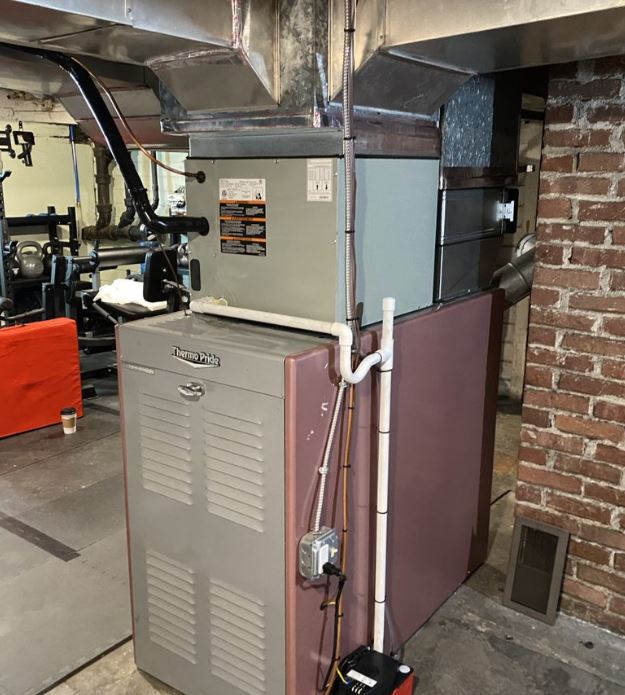
When it comes to replacing your furnace, you’re going to want to make sure it’s efficient and built to last. Thermo Pride is not only high-quality, but their furnaces are also very durable. Purchasing one of these furnaces should last you quite a while.
Furnace Size
Determining the size of your new furnace is easy to do. Most of the time, choosing a size that matches your current furnace is the easiest. However, things might’ve changed since the original construction of the house. For example, did you add any extensions to the home? What about windows and doors? Was the system properly sized at the start?
The following factors can often lead to your system being undersized or oversized, which can result in a shorter lifespan of the furnace as well as higher energy bills. This is why it’s important to have a qualified HVAC technician install the furnace. When they are installing it, they might ask you the following questions:
- What’s the square footage of the home?
- What’s the height of the walls?
- How many windows are in the house?
- What’re the windows’ dimensions?
- Are the windows single or dual pane?
- How well insulated is the home?
Keep in mind that if your HVAC technician doesn’t ask you a lot of questions or can’t properly answer your questions, you should find another technician. There are a lot more questions to be asked and factors regarding your home that can affect overall usage. If they only ask about square footage, then you should avoid them.
What’s it Cost?
The overall price of replacing the furnace is the number one factor. While this is a necessity after 30 years of use, it can still be expensive. Depending on where you get it from, the entire job of replacing your furnace can range from $8k-$10k. Most of the time, furnace companies will offer 0% financing on furnace installations.
Concluding Thoughts
Buying a new furnace after your furnace has reached 30 years old is crucial. This’ll help make sure that your home is heated properly and ensure the safety of your home during heating oil season. Doing this is a good idea to do sooner rather than later. Especially if you’re planning on staying in this home for the long-term!
While the price of the furnace might be a little bit higher outright, it’ll still help in the long run. A new furnace is ultimately more efficient and reliable at the end of the day. Just be sure to get your annual maintenance done on your furnace to avoid any unforeseen issues!
Happy Heating!
Hunter