
If you’ve been a long-time Smart Oil Gauge user, then you might know about our outdoor models. Using a Smart Oil Gauge on an outdoor tank is a little bit different from using it on an indoor tank installation. While the installation process is the same for both indoor and outdoor installations, there are still important things to know. Keep reading because I’ll be going over everything that you’ll need to know!
The Outdoor Model Smart Oil Gauge
Tanks that are located outdoors will often be exposed to the elements of fluctuating temperatures and weather. For this, we have an outdoor model of the Smart Oil Gauge. This only comes in the Duo. The Duo has a stronger seal than the standard model, which makes it harder for moisture to get inside the device. But you’re probably wondering what makes it an outdoor unit. The outdoor model uses a special sealant that makes the device more suitable for outdoor use.
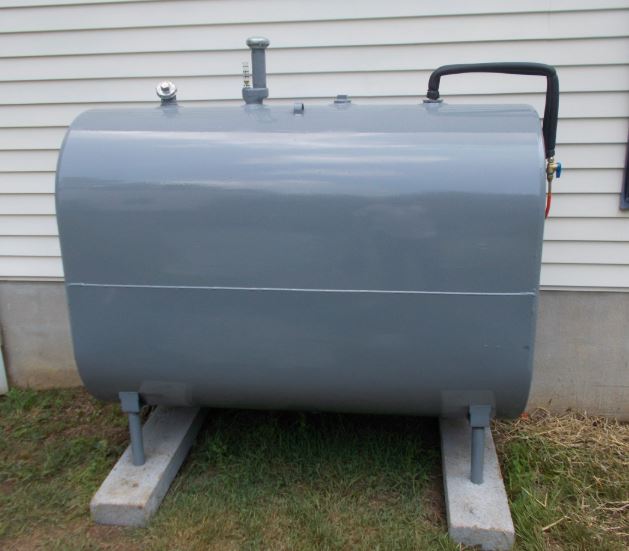
If you plan on using the Smart Oil Gauge on an outdoor tank, you MUST buy the outdoor model. Especially with the standard model, its seal is not as strong as the outdoor duo. We’ve since discontinued the standard outdoor Smart Oil Gauges because the outdoor duo gauges are just that much more effective. But if you still have a standard outdoor model, then simply applying Teflon tape around those top threads will be much more beneficial and provide a better seal for the standard device. You can buy the outdoor model on our website here.
Underground Tanks
It’s important to understand that the gauge is not compatible with underground tanks. Notably, this is because the gauge sends its signal in a cone shape and not straight down. Most underground tanks have two pipes sticking out of the ground. Installing the Smart Oil Gauge on one of these pipes sounds good on paper. But, because of how the gauge sends the signal, this won’t work. The cone-shaped signal will bounce off the sides of the pipes, resulting in only full readings. These pipes that stick out of the ground are too far from the tank itself. So the Smart Oil Gauge will not be able to properly send the signal down to the oil level.
Condensation and Temperature-Related Spikes
When installing the gauge outside, you might sometimes get some moisture on the sensor itself. This is produced when the temperature outside fluctuates, causing the oil in the tank to warm up. When the oil starts to warm up, it’ll cause moisture to be produced and build up on the sensor. This will cause the gauge to have trouble sending out the ultrasonic signal properly. This happens semi-often, so it’s a good idea to check the bottom sensors for moisture at least once a month. If there’s moisture on the sensors, simply wiping them clean with a paper towel or tissue will do the trick! This will help the gauge be able to read accurately again.
The temperature outside can also play a major role in the readings that the Smart Oil Gauge provides! Most commonly on outdoor tanks, when the temperature falls below 20 degrees Fahrenheit, the gauge might give you a fill alert and a spike in reading. This is because long-term exposure to cold temperatures can cause electronics to not function as normal. This is not just for the Smart Oil Gauge; most electronics that have long-term exposure to the cold will have performance issues. So, on outdoor tanks, be aware that during long-term cold temperatures, you’ll see spikes in level due to these cold temperatures.
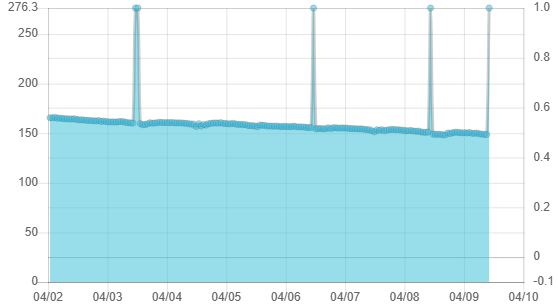
However, if you live in an area where cold temperatures are the norm, such as Alaska, you might see yourself having a hard time with the readings. This is because in certain parts of Alaska, temperatures below 20 degrees are normal, especially during the winter. Those consistent cold temperatures might cause the gauge to not read properly.
Outdoor Tank Readings
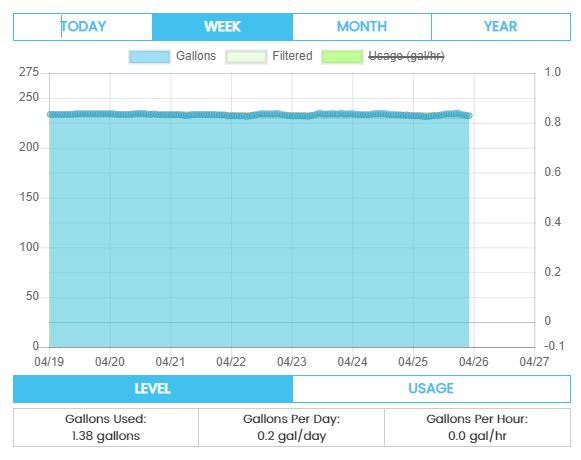
Another thing with outdoor tanks is that their readings can be a little odd. This tends to be caused by the temperature outside. Depending on how hot or cold it is outside will cause the oil in the tank to either expand or retract. This causes the level to fluctuate, and you’ll see what looks like a “wavy” effect on the graph. This won’t affect your overall usage data, but it can be a little strange to see on your graph at first. Plus, if you have no idea what it is, then it can definitely cause some concern. But don’t stress! This is completely normal!
Distance from the Router
Now, the Smart Oil Gauge needs to have a strong connection to the WIFI to be able to upload to the app. But on some outdoor tanks, the gauge can have trouble connecting and uploading. This is often due to the distance from the router. The farther the gauge is from the router, the harder a time the gauge will have connecting to the WIFI. The home’s outer wall also dulls the WIFI signal. If you have an outdoor Roth tank, sometimes the metal hood will make connecting to the WIFI a lot harder for the gauge. The steel cover adds another surface that the WIFI signal has to go through.
The best thing to do to ensure that the Smart Oil Gauge has a strong signal to the WIFI from outside is to have an access point as close to the gauge as possible. However, if the router or closest access point is on a floor above or far away, your next best bet would be to get a WIFI range extender. You can get a good one on Amazon for $15. We recommend this extender in particular. It’s easy to set up and reliable.
Batteries on Outdoor Smart Oil Gauges
Like all models of Smart Oil Gauge, the batteries do need to be changed. However, it’s important to know that the batteries on outdoor units don’t always last as long. This is because the weather and temperature outside affect the battery life. This can often be because the temperature outside will fluctuate a lot. Due to this, the batteries will need to be replaced more frequently. The batteries will need to be changed roughly every 6-12 months on average. You can buy the required batteries on our website here.
Concluding Thoughts
The Smart Oil Gauge is an amazing tool to have on your outside heating oil tank! However, there are some minor differences compared to installing on an indoor tank. Outdoor installations are often more exposed to the elements and fluctuating temperatures. But you’ll still be able to look at the gauge on your phone’s app just as you would with an indoor model! Those extra things that you needed to know are important for gauge functionality and being able to navigate the gauge on the app.
There are a couple of additional things that you need to know when you’re planning on installing the Smart Oil Gauge on an outdoor tank. They’re all listed in this blog post here, so feel free to come back to this and reread it or review it if you ever need a refresher!
Happy Heating!
Hunter