
The maintenance of your home heating oil is very important! This is crucial for keeping your system at its peak performance. Ideally, you’ll want to get your system maintenance done annually. However, you might be wondering what comes with a furnace tune-up? Read on, because I’ll be going over everything you need to know!
Typical Home Systems
Now, there are a lot of different types of home systems. But, there are a few common types that you should be on the lookout for! You’ll more than likley have one of these systems installed at your home!
Furnace: These are by far the most common type of home heating system and often the most serviced. They’re also very simple to understand and will usually provide heat by pushing hot air through the home with the use of ducts.
Forced Hot Air: This is another common system seen today. However, they’ll tend to work in conjunction with both cooling coils and a compressor. But the nice thing about these systems, is during the winter they provide heat, while in the summer they produce cool air.
Boilers: These are in many homes now and will utilize hot water that’s pushes through the home with baseboards. The water then heats up and pushes through the baseboards of your home. The tune-ups for these systems is different than Furnace and Forced hot air tune ups. This is mostly due to the lack of air filters.
What are the Steps of a Tune-Up?
The process of getting a heating system tune-up is very similar to that of getting a car service. Similarly to checking your car’s oil and fluid levels, you have to do the same with a furnace. This will be done to your system by an HVAC technician, who will often inspect, clean and replace the following list of items if required:
The Oil Supply Line: One of the first things that your HVAC technician will do make sure that there’s oil incoming from your tank to the furnace. But they’ll usually disconnect the line to properly inspect it. They do this to ensure that there’s a good flow of oil from your tank to the burner. On rare occasions, there is a build of sludge in these lines. This actually causes a bit of resistance in the line. In this event, the dealer will clean it out by pressuring the line from one end. This forces the sludge out of the line.
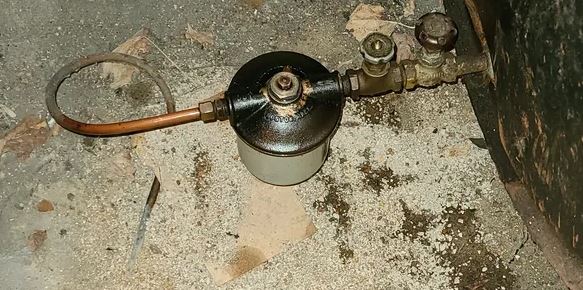
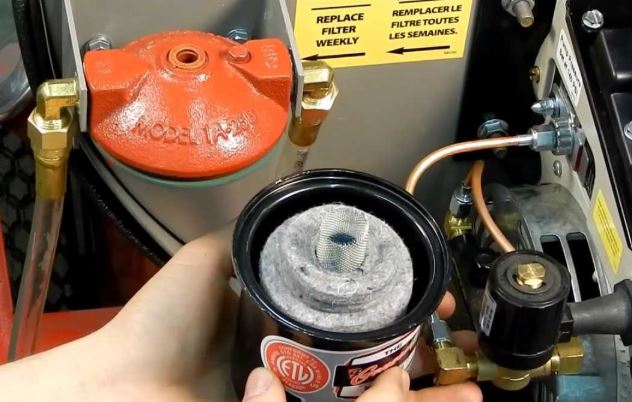
Changing out the Filter and Strainer: Similar with how your car has an oil filter, your system also has an oil filter. They can get quite gross over time. The filter catches anything in the oil that you don’t want going over to the burner. While beyond the filter is like another filter inside your system that catches anything your filter misses.
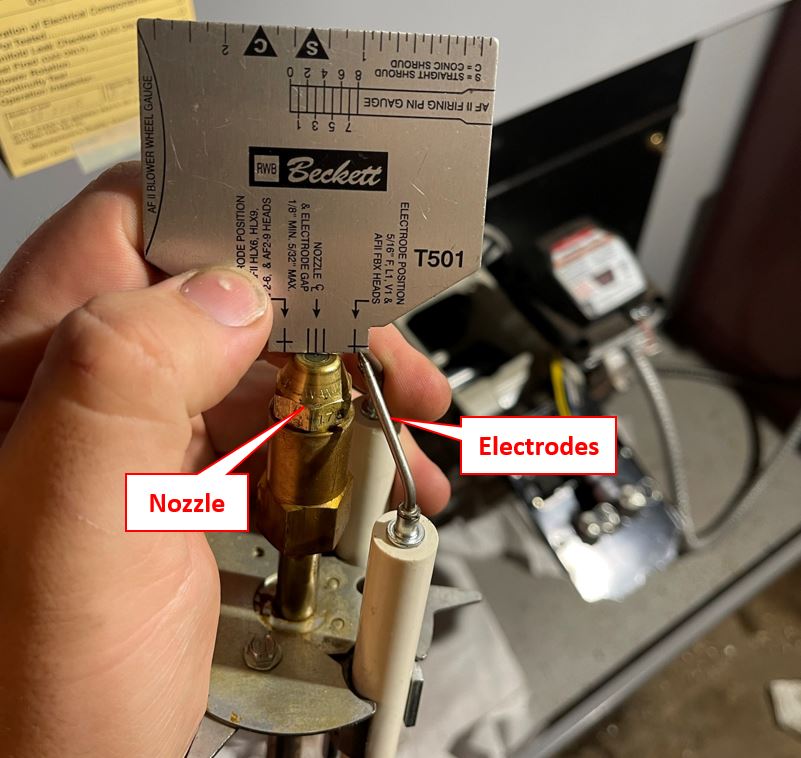
Burner Components: Before the oil goes through the process of combustion, the oil must go through the nozzle and undergo the process of atomization. Over time, however, this nozzle can clog and wear out. In this case, the technician will go ahead and replace it. Then, after the nozzle is replaced, the technician will use a specialized template that helps line up the tips of the electrodes in the nozzle. These electrodes will help the atomized fuel to ignite, so if they show any wear and tear at all, the technician will go ahead and replace them immediately. Finally, the last thing that the technician will need to do is a visual inspection of combustion chamber to ensure everything is working properly.
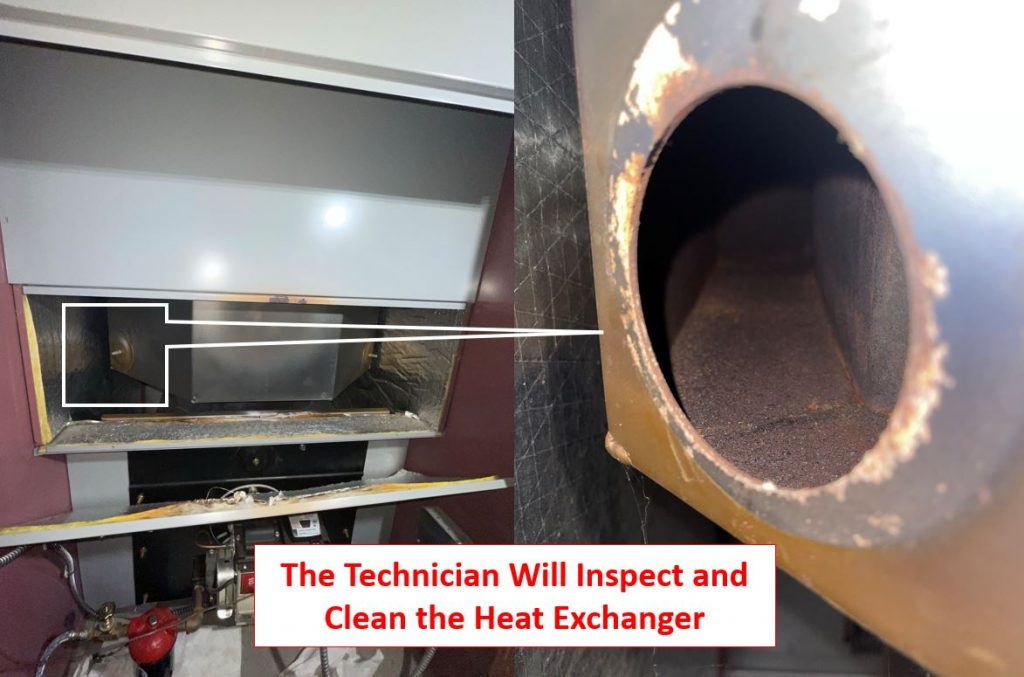
The Heat Exchanger: Before it becomes hot air, cold air passes through the heat exchanger. This is where cold air goes through the conversation process of cold air to heat. Now, as some furnaces get older, their ability to do this gets a bit harder. Older ones will tend to fail, which can cause the heat exchanger to crack and break. The cracks make the burner’s exhaust mix in with the clean air which makes it harder for the system to provide you with clean hot air.
Combustion Analysis: There are special tools that will often test your systems efficiency. These will check the color of the smoke produced by your system. This is to ensure that the smoke is adequate. The analyzer checks both the CO2 content and temperature of the smoke. Using this information, it will effectively determine your systems efficiency.
Changing Out the Air Filters: This is the easiest part and you can often do this yourself. This should be done annually, so if you wish to wait for your your HVAC technician to do it during your annual maintenance then you can wait for that as well! But if you want to do it yourself, go ahead check my previous articles on changing out air filters! You can find one here!
Furnace Tune-Up Peace of Mind
With us still in the coldest part of the year, it’s very important to ensure that your system is up and running so that you continue to remain warm! Plus, being confident in your home’s heating oil system is important!
Being sure that you have annual maintenance on your system is very important. But now you know what to look out for! Similar to changing your oil in your car, you must do this frequently. This is to ensure that everything is working properly and that nothing is worn out or broken! But, make sure that you hire someone who’s reliable and trust worthy!
Happy Heating,
Hunter