
In the Northeast United States, we see a large fluctuation in weather and temperatures. Each day during the fall and even the winter can have variations in temperatures. In winter, these fluctuations could be anywhere from below zero to the low 30s! This calls in our old friend, heating oil! How exactly does it work, and what is there to know? Well, sit back and read on, because I’m going to go through everything that you need to know about how it works!
Heating Oil: Step by Step
For heating oil to be able to heat your home, your system has to go through a process known as heat conversion. Now, this isn’t the only fuel that goes through this process. All forms of heating need to go through a conversion process of some kind before your home begins to warm up.
The first thing that needs to happen is heating oil needs to be delivered to your home. This is done by ordering online or through your local dealer and scheduling a time to deliver. The second step is for heating oil to go through the conversion process. Most of the time, it will go through your tank’s feed lines and go to the burner. Once in the burner, the heating oil undergoes the heating process. For heating oil, this is through atomization. This is the process of turning the liquid state of oil into a gas so that your burner can ignite it into fuel. The final step is your heating oil system distributing heat throughout your home. This can only be done after the oil has been converted into a gas.

The Popular Forms of Heating
While Heating Oil is the most popular way to heat your home in the northeast. There are several other popular ways to heat your home.
Heating Oil: This is the most popular way to heat your home in the northeast US. Heating Oil’s a form of deliverable fuels and will require your dealer to come out and deliver. To store heating oil, you’ll need to have a fuel tank. This oil tank can be found on your property, either indoors or outdoors. You can typically find them in basements, crawl spaces, or garages. This tank stores heating oil that will make it’s way over to your burner, where it then converts to heat. The nice thing about heating oil is that it burns really hot! It burns much hotter than natural gas and propane, which means that it’s easier to heat your home.
Propane: Similarly to heating oil, propane is a delivered fuel. This means that you will have to have a propane dealer come out and deliver it. You’ll also store your propane in a tank like heating oil. But unlike heating oil it’s restrictive. You can only get propane from a delivery by your provider. This makes it a little bit more expensive than both Heating Oil and Natural Gas. But, the nice thing about propane is that it’s very versatile! Other than for heat, you can use it for gas stoves, generators and even fireplaces!
Natural Gas: This is one of the best options for home heating, but it’s is not easily available. It is only available in places where there are networks of pipes below the home. These pipes will connect to your home from the street or network of pipes in your home. But the nice thing about Natural Gas is that it’s a utility, so you don’t have to worry about deliveries! You’ll be able to simply adjust it as needed and pay the bill when it comes! But on the downside, you cannot choose a provider.
Electric Heat: Electric heat is becoming more and more common. However, it is expensive! Much more expensive than heating oil. But it is useful in places where there are mild winters or as a backup heat source. You’ll often never see it in large homes because of how expensive it is.
Converting Oil to Heat
This process involves the oil in your tank moving to your burner of choice. This process involves turning it into a gas from a liquid state. On heating oil and propane tanks, the burner will need to ignite these gasses that get released from the gas lines. The gas is then moved into the burner where is ignites and turns into heat. Then after this, heat is evenly distributed throughout your home.
But it’s important to know that in it’s liquid state and at room temperature, heating oil is NOT FLAMMABLE. For it to become flammable and be able to ignite, it needs to be heated to 140 degrees Fahrenheit. It then goes through a process known as atomization, which is the main process that converts heating oil into gas. After the oil goes through this process, it will move into the burner where it is then turned into heat and distributes around your home.
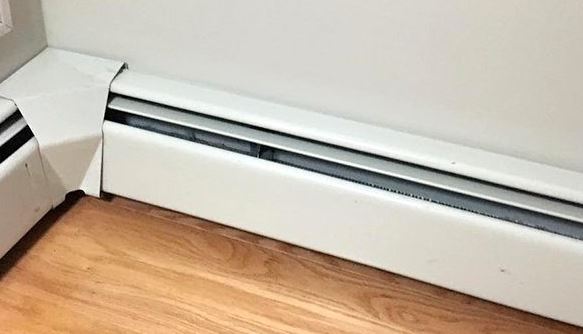
Transferring Heat Through Your Home:
In today’s modern homes, the most common way to distribute heat throughout your home is by using a boiler. This heats up water and distributes it throughout your home. It then releases from the radiators and spreads out through your home.
Radiators are very common in homes in the northeast. There are both electrical radiators and non-electrical radiators. Non-electrical radiators tend to work with boilers and furnaces after your heating oil system has converted it into heat. All you have to do is adjust the thermostat and your system will change how much oil you’re burning or how hot you’re making the home. These systems aren’t very complex, but if you’re using electric, be careful as these can be expensive.
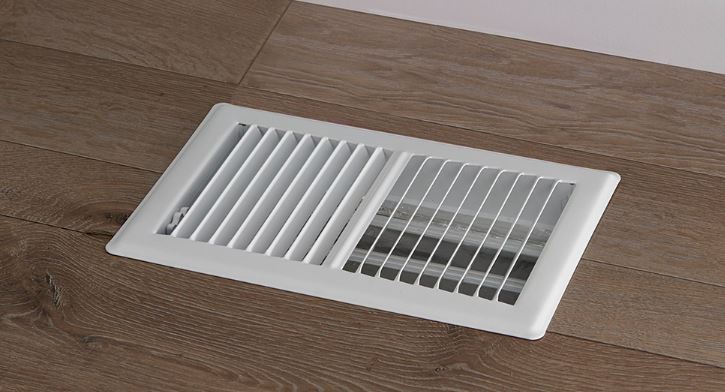
Forced Hot Air is becoming increasingly common nowadays. This is the process of your boiler heating air in the basement before the blower sends hot air throughout your home. There are ducts in the floor that connect to your boiler that pushes the hot air through. The hot air then distributes throughout your home. The nice thing about forced hot air is that during the summer, you can use it as an AC unit. This means that you can get both cooling and heating with Forced Hot Air!
Conclusion
Heating Oil is the most popular way to heat your home in the Northeast for a reason. The process on how it works is quite simple. Once you understand the basics of heating oil, you’ll become a pro! But, unlike Natural Gas or Forced Hot air, you might have a couple restrictions that can affect you when you order. This is typically dealer availability and pricings. But you do have a lot of freedom of when you can order unlike propane, which is much more restrictive.
While it’s expensive, automatic delivery is a very useful tool. Your dealer will come out and deliver to you over an agreed period of time that will help ensure that you don’t run out! This means that you don’t have to worry about when your next delivery will be! However, using a website like FuelSnap will ensure that you can get the lowest prices available to you!
Knowing your heating system is important for a variety of reasons. These can include when you need to order, how fast you burn oil and much more! Even if you’re not using heating oil, it’s good to familiarize yourself with your system so that you can plan accordingly!
Happy Heating,
Hunter