
Nowadays, there are a lot of different ways to keep track of your heating oil level. However, the most important part of that is how you keep track of your heating oil. This could be either a float gauge, a stick, or even a Smart Oil Gauge. But most heating oil tanks come with a float gauge pre-installed on them. However, with the amount of gauges that there are to choose from, which one should you choose and why should you choose it? I’ll be going over all the different types of gauges and their benefits.
Using a Dipstick
The simplest way to measure your tank is by using a dip stick. Essentially, you open the fitting in your tank and put the dipstick in. Think of it like a large ruler, and after you stick your tank, you’ll get a reading in inches on the dipstick. This is as easy as sticking from one of the open fittings in your tank. But on tanks that are buried underground, you can stick the tank through the fill pipe. On underground tanks, this is your only option to measure the oil level.
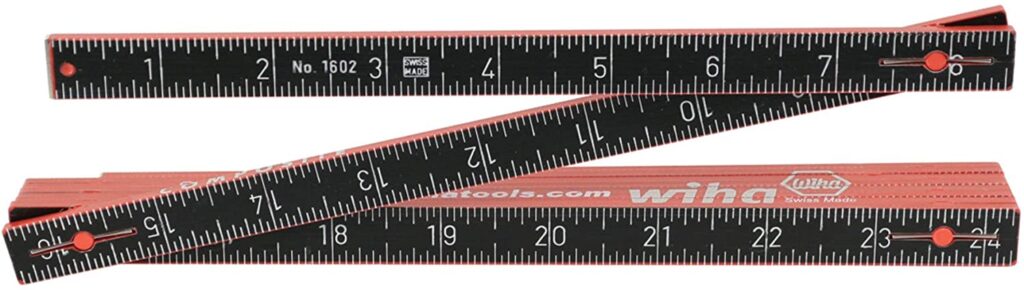
Important Note: If you have a buried oil tank, then you cannot use a regular gauge. You must stick the tank.
The Float Gauge
This is another very common way to measure the oil in your tank. These gauges are installed by default on your tank when you get it. They are metal arms connected to a cork bobber at the end that floats on the surface of the oil. The metal arms have a colorful disc at the end that will line up with a clear cylinder that has marks for the specific levels of oil. Now, it’s important to note that these gauges will only give an estimate and won’t always provide an accurate reading. They will only give you a rough estimate as to how much oil is in the tank.
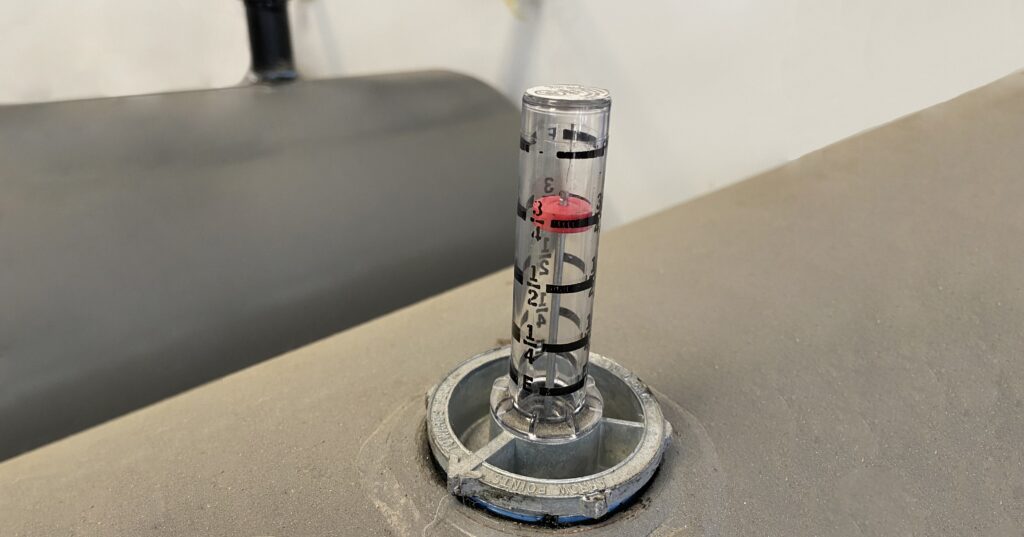
These gauges are very popular amongst heating oil users. They’ve been around for several decades and have shown to be very useful. But, over time these gauges can be less accurate. This is due to oil and sludge coating the bobber itself which can cause the gauge to read less oil than what’s actually in the tank. The sludge will actually bog down the bobber which can greatly affect the gauge’s accuracy. Due to that, these gauges need to be taken out frequently to be cleaned.
The Standard Smart Oil Gauge
The easiest and most modern way to monitor your tank level is with the Smart Oil Gauge! We have two different models. The standard and the Duo work similarly, but they have their differences. But both of these gauges can connect to your WIFI and upload both usage data and level readings to your phone through our app! Which means you can access your level data and usage from anywhere!
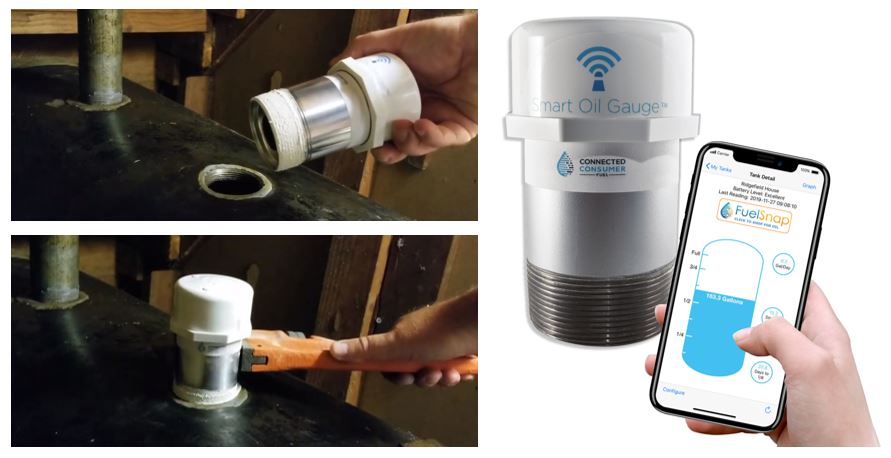
Starting off with the standard model, this device has an operating range of 8″-72″ inches. This device is a single sensor device that has a 2″ NPT thread. Now, this device does have a little bit of a sensitivity when the tank is full, due to the single sensor. This means that when the oil is within the top 8 inches of the tank, the gauge won’t have enough room to send the signal properly. This can cause the device to read a little less than what’s actually in the tank. We have a more in-depth explanation of this on our website. You can find that here.
Now, we’ve fixed the sensitivity issue on the Smart Oil Gauge Duo. However, the standard Smart Oil Gauge can be used on fittings that are 1.25″ NPT. While the Duo cannot. So if your tank has a fitting of 1.25″ NPT, then you will need to use the Standard Smart Oil Gauge.
The Smart Oil Gauge Duo
This is our most recent sensor, and is currently our most accurate device. Like mentioned previously, this gauge doesn’t have a sensitivity when the tank is full. Instead, it’s got a dual sensor structure where one sensor sends while the other receives the signal. This makes the gauge’s operating range a little larger at 0″-72″ inches. So as long as the gauge is installed properly on the tank, the sensor will have no problem accurately reading the oil level.
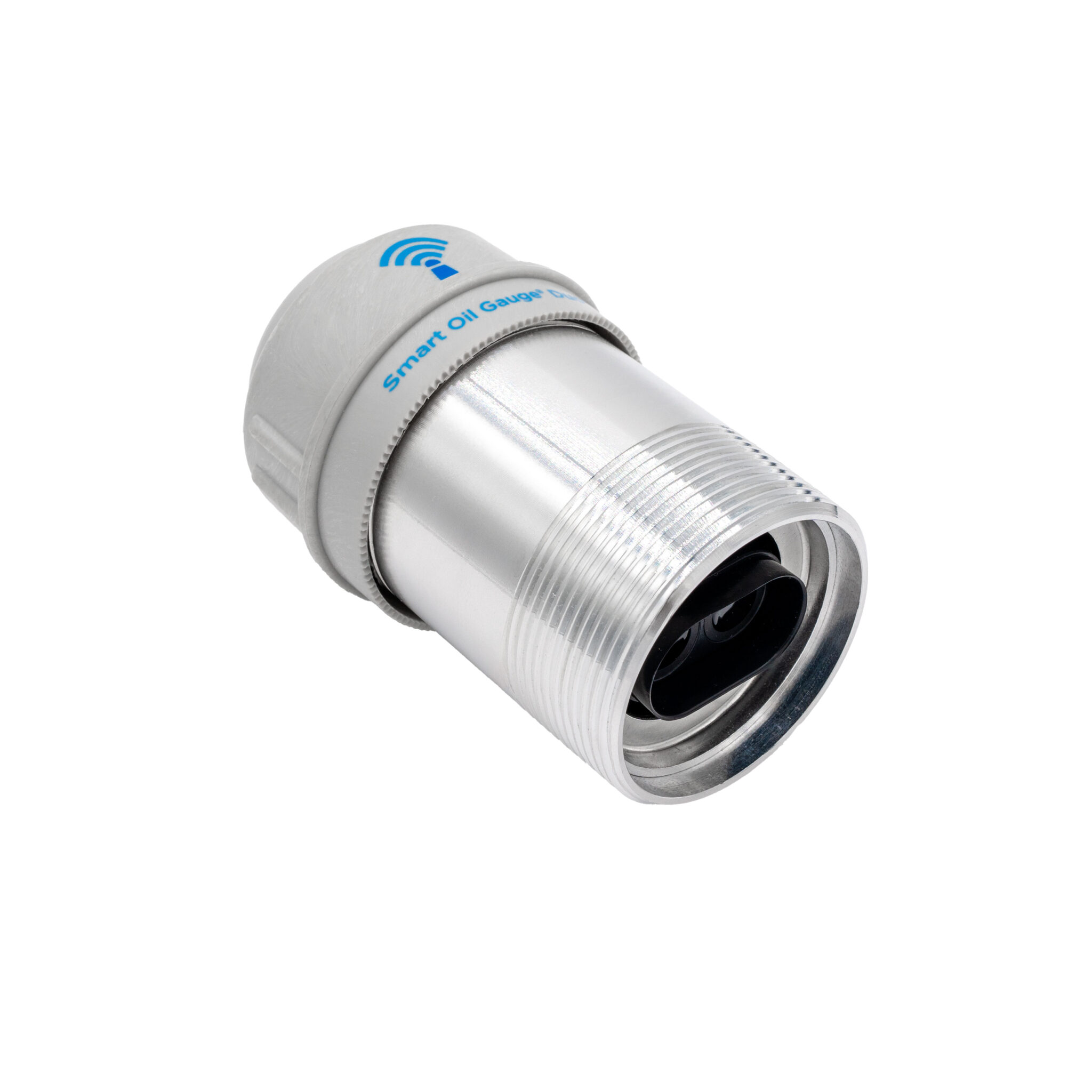
Additionally, you can also take out the Duo’s interiors to troubleshoot incase you need to change the batteries or update the WIFI! So instead of having to go down to the tank location and staying down there to update the WIFI or swap out the batteries, you can go down to the tank location, take the interiors out and bring them upstairs or inside the home to do that!
Finally, like mentioned before, this device is not compatible with tank fittings that are 1.25″ NPT. This is due to the gauge’s sensor structure not being able to fit into a hole of that size. However, you can still use this gauge on Roth tanks and tanks that have a 1.5″ NPT fitting.
Which Gauge is best for you
Now, which gauge you use is up to you but also will often depend on your tank’s setup. For example, if your tank is buried underground outside, then your only option is the dipstick as it’s the only type of gauge that is accessible to underground tanks.
If you don’t mind going over to the tank to check it every so often, then the float gauge is good for you! This is preferred if your tank is easily accessible such as outside or in your garage. But if your tank is in a crawl space or somewhere that isn’t easily accessible, then the float gauge might not be best for you.
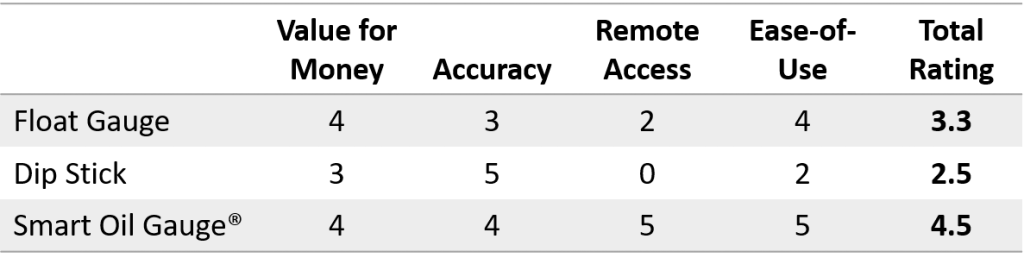
Now, if your tank is not easily accessible or you’d rather have your level and usage data at the touch of your finger tips, then the Smart Oil Gauge is perfect for you! Having the device be able to conveniently read your level and report back to you when you need a fill up or when your tank is low is unparalleled! If you’d rather have a gauge with a larger operating range and easier to troubleshoot, then the Duo is for you! Otherwise, if you’re ok with the sensitivity that the standard model has, or your tank fitting is 1.25″ NPT, then the Standard Model is for you! But if you’re curious on what some other differences are, you can check out our article on those here!
Using this guide, you’ll be able to figure out and determine which gauge is right for you! Doing so will help you read and monitor your oil level and usage more efficiently!
Happy Heating,
Hunter